Whitechapel market shop waste collection and recycling: a practical guide for busy traders
If you run a stall, kiosk, cafe counter, convenience shop, takeaway, or small retail unit around Whitechapel, waste can quietly become one of those jobs that eats time, space, and patience. Cardboard builds up near the till. Shrink wrap gets tangled in the back room. Food waste starts to smell before closing. And suddenly the bins are a bigger problem than the business itself.
This guide to Whitechapel market shop waste collection and recycling breaks the process down in plain English. You'll find out how collection usually works, what to separate, what to avoid, how to stay organised, and how to make recycling less of a chore. It's written for real shopkeepers, not theory. Because let's face it, the last thing you need is vague advice when the alley is already full and delivery day is looming.
Practical takeaway: good waste management for market shops is not just about bin emptying. It's about protecting frontage, keeping stock areas clear, reducing contamination, and making recycling actually workable in a tight London space.
Why Whitechapel market shop waste collection and recycling Matters
Market trading and small retail in Whitechapel tends to happen in compact, high-pressure spaces. That changes everything. You are not dealing with a roomy warehouse and a generous service yard. You are dealing with footfall, tight stock rooms, shared access routes, and collections that have to fit around opening hours and nearby traders.
Waste matters here for three simple reasons. First, it affects presentation. A clean frontage and tidy back-of-house area make a real difference to how customers see you. Second, it affects safety. Boxes on the floor, broken packaging straps, and overflowing sacks are classic trip hazards. Third, it affects efficiency. If rubbish is not sorted properly, staff spend longer handling it, and collection becomes more expensive and messy than it needs to be.
Recycling is part of the same picture, not a separate nice-to-have. Cardboard, clean film, paper, rigid plastics, and certain food packaging can often be separated if the system is simple enough for staff to follow. The trick is consistency. One chaotic shift and the whole setup falls apart. We've all seen it: a pristine green bin on Monday, then by Friday it's the "everything bin".
For Whitechapel market traders, recycling also supports reputation. Customers do notice when a business looks organised and responsible. Not everyone says it out loud, of course, but they do notice. In a busy London area where competition is close by, that matters more than people think.
How Whitechapel market shop waste collection and recycling Works
In practical terms, shop waste collection usually follows a straightforward pattern: waste is separated on site, stored safely, then removed by the appropriate collection method. The actual setup depends on your shop type, trading volume, and space. A market food trader will have different needs from a dry goods stall or a small fashion shop.
Most systems work best when they are simple. You do not want six bins with cryptic labels. You want a setup that staff can follow on a busy Saturday without thinking too hard. That normally means a few clearly defined streams:
- General waste: items that cannot be recycled through your chosen system.
- Cardboard and paper: flattened and kept dry where possible.
- Mixed dry recycling: depending on what your collection provider accepts.
- Food waste: for traders handling fresh produce or prepared food.
- Confidential or specialist waste: if your business generates it, such as certain retail documents or regulated items.
Collection may be scheduled daily, weekly, or more frequently during peak trading periods. For some shops, especially food-led ones, the right answer is a small but frequent service rather than a large bin that sits around too long. Truth be told, in a warm stock room, that can make all the difference.
The recycling side works best when contamination is controlled. A single greasy pizza box can ruin a whole pile of clean cardboard. Tea bags, napkins, food scraps, and liquid residue all cause problems. Staff need to know what belongs where, and the bins need to be close enough to use without making life awkward.
If your business also has bulky packaging, display fittings, damaged shelving, or old stock that needs clearing, it may make sense to combine regular collections with a broader one-off clearance. In that situation, services such as business waste removal or broader waste removal support can help keep the operation streamlined.
Key Benefits and Practical Advantages
There are the obvious benefits, and then there are the quiet ones that only show up after a few weeks of a working system.
- Cleaner trading space: less clutter in stockrooms, service areas, and delivery points.
- Faster closing routines: staff can clear up without improvising every evening.
- Better recycling rates: more material stays in the right stream instead of becoming mixed rubbish.
- Reduced smells and pests: especially important for food traders and market stalls.
- Safer working environment: fewer loose boxes, sharp packaging edges, and blocked walkways.
- More professional appearance: both for customers and for neighbouring businesses.
One often-overlooked advantage is staff morale. Nobody enjoys working in a cramped, messy space where every bin is overflowing by lunchtime. A decent waste and recycling setup removes friction. Small thing, yes. But it matters every day.
Another plus is easier stock handling. When packaging is removed promptly, storage space opens up. That means fewer stack-and-shove moments in the back room and less risk of damaged goods. If you're trying to run a busy counter with only a few spare square metres, that breathing room is priceless.
Some traders also find that a cleaner waste process helps with broader business planning. It forces a better look at what is actually being thrown away, which items arrive overpackaged, and where avoidable waste is creeping in. Once you start noticing it, you cannot unsee it. Slightly annoying at first, useful later.
Who This Is For and When It Makes Sense
This kind of service makes sense for a wide range of traders, not just big retail units. In Whitechapel, it is often most relevant to businesses that generate regular packaging waste or food waste but do not have the room, staff time, or storage capacity for a clunky in-house system.
- Market stalls and pop-up traders
- Convenience stores and corner shops
- Takeaways, cafes, and small food outlets
- Independent retailers with back-of-house storage
- Shops receiving frequent stock deliveries
- Units undergoing fit-out, refresh, or seasonal change
It also makes sense during certain transitions. For example, if you are changing product lines, clearing out old shelving, or shutting down a display area, you may need short-term help before returning to a normal collection pattern. That is when a more flexible plan becomes valuable.
There are also moments when a business outgrows a casual bin arrangement. Maybe deliveries have increased. Maybe your food offering has expanded. Maybe staff have started using random sacks because the main bin fills too fast. That is usually the sign you need a proper system, not just another bin. Little warning flags like that tend to show up first in the smell test, oddly enough.
If your premises also need internal clearing before you can improve waste handling, services such as office clearance or flat clearance may be useful where stockrooms, staff rooms, or upper floors need a reset.
Step-by-Step Guidance
If you want the system to work without constant drama, the setup needs to be deliberate. Here's a practical way to approach it.
- Audit what you throw away. Spend a few trading days noting your main waste types. Cardboard? Food scraps? Plastic wrap? Damaged stock? The list tells you what system you need.
- Separate waste at the point of disposal. Don't rely on one "sort it later" bin. That never lasts. Put the right containers where waste is created.
- Choose the collection frequency around your busiest days. A Monday-only pickup may be fine for one business and useless for another. Match the service to the real rhythm of trade.
- Label bins clearly. Use simple wording and, where possible, visual cues. Staff members should not need a debate every time they hold a coffee cup lid.
- Keep recyclables clean and dry. Flatten cardboard, empty liquids, and keep food residue away from dry materials.
- Train staff properly. A five-minute briefing is better than a laminated sheet nobody reads. Honest truth.
- Review the setup after a few weeks. If bins are overflowing or contamination is high, adjust the system rather than blaming the team.
That last point matters. Waste systems often fail because they are treated as fixed forever. They are not. A new delivery pattern or seasonal rush can change everything overnight. Summer fruit trade is not the same as winter stock flow. You know how it goes.
Where bulky waste or old fittings are part of the process, it may be sensible to combine routine collection with a one-off clearance service. For example, older display units, broken storage, or worn shop furniture can be cleared via furniture disposal or furniture clearance if they're taking up valuable room behind the counter.
Expert Tips for Better Results
Here's the part that usually saves time and frustration.
- Keep cardboard near the exit point. If staff need to carry empty boxes across the whole unit, they will not flatten them consistently.
- Use smaller internal bins. Counter-intuitively, they often work better than giant containers because they force quicker emptying and less mess.
- Design one "waste route". Decide how waste leaves the shop, who takes it out, and where it sits before collection. Simple beats clever.
- Separate film wrap from general rubbish. Clear plastic film can often be captured more effectively when it has its own bag or box.
- Set a daily end-of-shift sweep. Two minutes of tidying can save a lot of Monday morning chaos.
Another useful tip: keep a spare stash of bags, liners, and labels. Nothing slows a shop down like hunting for bin liners while a delivery driver is already waiting. It sounds small. It isn't. The day gets away from you fast.
If you handle mixed waste from small refurbishments, packaging, and old stock all at once, a more structured clearance plan can help. In that case, services such as builders waste clearance may be relevant for fit-out debris, while house clearance or home clearance style support can be helpful for larger mixed clear-outs where the contents are varied and bulky.
And one small but practical point: keep recycling access easy enough for tired staff on a rainy evening. If the system only works perfectly on paper, it will drift. Fast.
Common Mistakes to Avoid
Most waste problems in small retail spaces are not dramatic. They are just repeated little mistakes that stack up until the place feels harder to run than it should.
- Mixing food waste with dry recycling. This is one of the fastest ways to contaminate an entire bin.
- Letting cardboard go unflattened. It fills space too quickly and makes collection less efficient.
- Ignoring access routes. Waste stored in a narrow passage becomes a safety issue very quickly.
- Using too many bin types. Too much complexity leads to confusion and messy sorting.
- Assuming staff will "just know". They won't, especially if turnover is high or shifts are split.
- Leaving waste until the end of the week. That usually means odour, clutter, and a rush job nobody enjoys.
One mistake people make is designing the system around the ideal day instead of the busiest one. The ideal day is quiet, dry, and relaxed. The busy day is wet, crowded, and full of stock. Design for the busy day. Always.
Another common issue is not planning for seasonal variation. Whitechapel shops may have quieter and busier cycles depending on weather, holidays, and local trading patterns. If your waste volume changes, your bins and collection schedule should change too. Otherwise you end up managing yesterday's problem with today's space.
Tools, Resources and Recommendations
You do not need fancy kit to improve collection and recycling. In many cases, a few basic tools make the biggest difference.
| Tool or resource | What it helps with | Best use case |
|---|---|---|
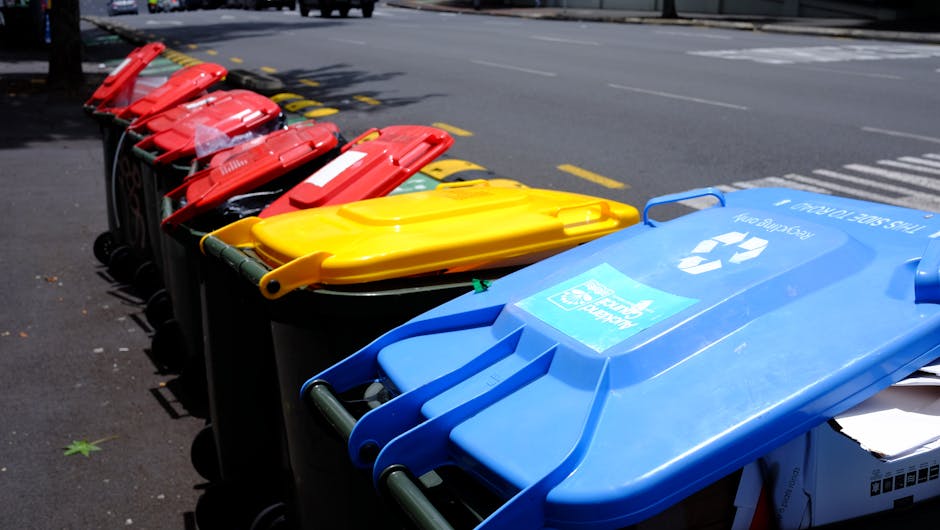
| Colour-coded bins | Quick visual sorting | Busy staff areas and shared back rooms |
| Flattening station | Cardboard compression | Shops with frequent deliveries |
| Lidded food waste caddy | Odour and spill control | Cafes, food counters, takeaways |
| Bin labels with simple wording | Reduces sorting mistakes | Mixed teams or rotating staff |
| Collection schedule board | Shows pickup days and responsibilities | Multi-person teams and shared premises |
For businesses that want to improve recycling performance over time, the recycling and sustainability page is a useful place to understand a more environmentally conscious approach to waste handling. It pairs well with the practical side of daily collections.
If you're planning a broader reset of the premises, you may also want to look at pricing and quotes so you can compare the likely cost of a one-off clearance against the time lost to piecemeal disposal. Not everything should be solved by bin bags, frankly.
Other business support pages that may be useful, depending on the space you manage, include garage clearance for storage-type overflow areas and loft clearance where upper-level storage has become a bit of a graveyard for broken fittings and old packaging.
Law, Compliance, Standards, and Best Practice
Waste handling in the UK sits inside a legal and operational framework, and businesses should be careful not to treat it casually. You do not need to turn every bin into a compliance project, but you do need a sensible system, proper carriers, and clear responsibility.
In practice, that means a few things. Waste should be stored safely. It should not obstruct walkways or fire exits. Different waste streams should be kept separate where that is required or practical. And if you hand waste to a third party, you should be satisfied they are operating properly and safely.
For market shops and small retail businesses, best practice usually includes:
- keeping waste off public walkways where possible
- preventing leakages and odours
- separating recyclables from general waste
- keeping transfer and collection times sensible
- making sure staff know what goes where
Health and safety is part of this too. Wet floors from leaked waste, torn bags, lifting strain, and blocked access are all ordinary risks that can be reduced with a decent system. The health and safety policy page reflects the kind of careful, practical thinking businesses should apply every day, not just when something goes wrong.
Insurance, security, and the handling of premises also matter when waste work involves keys, access codes, or after-hours collections. If that is part of your setup, it is worth reviewing insurance and safety and payment and security so responsibilities are clear from the start.
One more point. If your business operates with contractors, cleaners, or support staff, make sure everyone understands the same process. A tidy waste routine is only as strong as the weakest shift handover. That sounds a bit blunt, but it's true.
Options, Methods, or Comparison Table
Different collection methods suit different Whitechapel shops. The right choice usually comes down to space, waste type, and how often your bins fill.
| Method | Best for | Strengths | Limitations |
|---|---|---|---|
| Standard scheduled bin collection | Routine waste from small shops | Simple, predictable, easy to manage | Can struggle during busy periods if capacity is too low |
| Separated recycling streams | Businesses generating lots of cardboard or packaging | Improves recycling and reduces mixed waste | Needs staff discipline and enough space |
| Food waste collection | Cafes, takeaways, market food traders | Controls smells and supports cleaner kitchens | Requires consistent caddy use and hygiene |
| One-off clearance | Refits, stock changes, closures, or seasonal resets | Fast way to remove bulky or mixed items | Not a replacement for routine collections |
| Combined waste and clearance support | Businesses with both recurring and occasional waste spikes | Flexible and less disruptive | Needs clear planning and cost review |
For some traders, a mixed approach is the sweet spot. Routine collections handle the everyday stuff, while a separate clearance takes care of old shelving, packaging surges, or unwanted stock. That balance often works better than trying to force everything into one service.
Case Study or Real-World Example
Consider a small market shop in Whitechapel that sells drinks, snacks, and everyday essentials. The business receives several deliveries each week, mostly in cardboard and shrink wrap. At first, all waste goes into one rear bin. By Thursday, the back area is cluttered, boxes are stacked awkwardly, and staff are spending time crushing packaging by hand after closing.
The fix is not complicated. The shop introduces one cardboard-only container near the delivery point, one small general waste bin behind the counter, and a food waste caddy near prep areas. Staff flatten boxes as they unpack, rather than leaving them in piles. The collection schedule is adjusted so the heavier waste days get more attention. After a couple of weeks, the back room is easier to move around in, the bin area smells better, and closing time becomes less of a scramble.
That's the real value of structured Whitechapel market shop waste collection and recycling. Not perfection. Just less friction, less mess, and fewer surprise headaches.
In larger or messier resets, the same business might also need help clearing old shop furniture, broken display units, or storage clutter. Services like furniture clearance can be a sensible next step when the aim is to clear space quickly and start fresh.
Practical Checklist
Use this as a quick working checklist before, during, or after a collection review.
- Have you identified your main waste types?
- Are cardboard and dry recyclables separated clearly?
- Is food waste kept in a lidded, easy-to-clean container?
- Do staff know where each waste stream goes?
- Are bins labelled in simple language?
- Is the collection frequency matched to your busiest trading days?
- Are walkways, exits, and stock access points kept clear?
- Do you flatten bulky packaging before it piles up?
- Have you reviewed contamination risks?
- Do you know what bulky or one-off clearance support you would use if needed?
If you can answer yes to most of those, you're in a much better place than many small shops. If not, no drama - it just means the system needs tightening up a bit.
Conclusion
Whitechapel market shop waste collection and recycling works best when it is simple, regular, and built around how your business actually runs. The aim is not to create a perfect recycling museum in the back room. The aim is to keep trading areas clear, reduce waste headaches, and make every pickup easier than the last.
For small shops and market traders, the difference between a frustrating system and a good one usually comes down to three things: clear separation, realistic collection timing, and staff who know the routine. Get those right and the whole place feels calmer. Better, even. You notice it in the first half hour of a shift, and again when closing time is less chaotic than usual.
If your current setup feels clumsy, start with the basics and improve one step at a time. A better waste routine is rarely about doing more. It's about doing the right few things, consistently.
Get a free quote today and see how much you can save.
And if you're ready to sort out the messy bit properly, a calm, tidy, well-run space is absolutely within reach. Small steps, done well, tend to go a long way.
Frequently Asked Questions
What does Whitechapel market shop waste collection and recycling usually include?
It usually covers general waste, cardboard, paper, mixed dry recycling, food waste where relevant, and occasional bulky items. The exact mix depends on what your shop sells and how much packaging you generate.
How often should a market shop arrange waste collection?
That depends on volume. Busy food-led traders often need more frequent collections than dry goods shops. If bins are filling before the end of the week, the schedule is too light.
What is the biggest recycling mistake small shops make?
Contamination. A few food-stained items, liquid residue, or mixed rubbish can undermine an entire recycling bin. Simple separation and clear labels help a lot.
How can I reduce cardboard clutter in a small shop?
Flatten boxes as soon as stock is unpacked and keep a cardboard area near the delivery point. If cardboard sits around "just for now", it quickly becomes a wall.
Do food shops need a different waste setup from retail shops?
Usually yes. Food shops often need better odour control, more frequent emptying, and separate food waste handling. They also tend to generate more contamination risk.
Can waste collection be combined with a one-off clearance?
Yes, and in many cases that is the smart option. Routine collection handles day-to-day waste, while a clearance service can remove bulky fittings, old stock, or clutter that has built up over time.
What should I do with old shelving, shop fittings, or display units?
Those items are usually better handled as bulky waste or furniture-type clearance rather than standard bin waste. Keeping them out of the back room frees up space fast.
Is recycling worth the effort for a small market shop?
Yes, because it reduces general waste volume, improves space management, and makes the business feel more organised. The gains are practical as well as environmental.
How do I keep waste storage from affecting customers?
Keep bins out of sight where possible, avoid spillages, empty them before they overflow, and make sure access routes are clean. Customers notice smells and clutter more than most owners expect.
What if my waste needs change with the season?
That is very common. Review the setup during busier periods and adjust collection frequency or separation methods as needed. A system that works in winter may struggle in summer.
Do I need staff training for waste and recycling?
Even a short briefing helps. People need to know what goes where, what to flatten, what to keep separate, and where waste should be left for collection.
Where can I find more information about business waste and sustainability support?
You can explore related service and policy pages such as business waste removal and recycling and sustainability for a broader view of how to keep waste handling practical and responsible.